Hey there! If you’re here, chances are you’ve got a telescopic hydraulic cylinder that’s been working overtime for your business—maybe on a construction excavator, a dump truck, a farm tractor, or even a logistics lift gate. And let’s be real: when one of these bad boys goes down, it’s not just a minor hassle. It can stall jobs, eat into profits, and make you play catch-up for weeks. I’ve been selling and servicing hydraulic cylinders for over 10 years now, and I’ve seen way too many guys skip basic maintenance then wonder why their cylinder’s leaking or won’t extend all the way. Today I’m breaking down exactly how to keep yours running strong, no fancy tools or engineering degree required. Hydraulic Cylinder

First off, let’s get one thing straight: telescopic cylinders are different from standard single-stage cylinders. They have multiple nested stages, right? So each part’s got its own seal, its own clearance, and if even one tiny component goes bad, the whole system suffers. I once had a customer who ran a small demolition company and thought a “quick top-up” of hydraulic fluid would fix his stage that wouldn’t retract. Turns out he missed a small leak on the third stage’s wiper seal, and over six months, dirt and grime wore down the stage’s barrel. By the time he called me, he needed a whole new cylinder—cost him three times what regular maintenance would’ve. So let’s start with the non-negotiable daily check-ins, because that’s where most issues pop up.
Daily checks take like 5 minutes, I promise. Do ‘em before you fire up the machine every morning, not when you’re already behind on your first job. First, walk the cylinder’s full extended and retracted path. Look for any external leaks—puddles of hydraulic fluid on the stage rods, around the end caps, or where stages meet. If you see a slow seep, don’t ignore it; that’s a seal starting to go. Next, check the stage surfaces for scratches, dents, or rust. Even a tiny scratch the size of a grain of sand can rip a seal in half. And listen as you operate it: should move smoothly, no grinding, sticking, or hissing (that’s usually air in the system or a worn seal). If it jerks mid-extension or retraction, that’s a red flag. Also, check the fluid level in your reservoir—low fluid means air getting pulled into the cylinder, which causes cavitation and messes up the stages’ movement. Pro tip: use the fluid manufacturer’s specified type, not whatever’s leftover from the last job. Mixing different fluids can break them down and eat at seals.
Now, weekly maintenance. This is where you dig a little deeper, but still no rocket science. First, clean the entire cylinder thoroughly—inside and out. Dirt is the enemy here. Use a stiff brush and a mild detergent, avoid high-pressure washers if you can. Wait, why? High pressure can force water and grime past the wiper seals, straight into the cylinder’s stages. I’ve seen more wiper seal failures from power wash abuse than any other cause. Once it’s clean, inspect all the wipers (those rubber rings on each stage that keep dirt out) for cracks, tears, or deformation. Wipers are cheap, so if they look off, replace ‘em. No need to wait till they’re leaking. Next, check the mounting bolts—both on the cylinder’s base and the rod end. Vibration from heavy work can loosen these over time, and a loose mount can throw the stages out of alignment, causing excessive wear. Tighten ‘em to the manufacturer’s torque spec, not just “as tight as you can”—over-tightening can strip threads or crack end caps. Also, at least once a week, cycle the cylinder through its full extension and retraction sequence, slowly. This gets new fluid flowing through all the stages, flushes out any trapped air, and lets you spot any sticking or uneven movement you might’ve missed during a quick daily check.
Monthly maintenance is where you get into the actual parts that move. First, drain and replace the hydraulic fluid and filter. Old fluid has built-up dirt, metal shavings, and moisture, all of which damage cylinder components. How often? Depends on how hard you work the machine—if it’s running 12-hour days, swap it every month; if it’s only weekend farm work, every 3 months max. When you replace the fluid, check the drained fluid for signs of contamination—if it’s gray, has metal flecks, or smells burnt, that means internal wear you need to address before it gets worse. Next, lubricate the stage rods. Use a heavy-duty, hydraulic-compatible grease, not regular multi-purpose grease. Apply it evenly along the entire length of the retracted rod before operating the machine that day. This keeps the rods from rusting and reduces friction between stages. Also, inspect the rod seals—those are the main rubber rings that hold fluid in the cylinder’s barrel. If they’re cracked, hardened, or have grooves from wear, replace them. Rod seals do most of the heavy lifting, so don’t cut corners here. Another thing: check the cylinder’s alignment with the rest of the hydraulic system’s components (pipes, valves, pumps). Misalignment puts extra stress on the cylinder’s rods and seals, leading to premature failure. If you notice it’s pulling to one side when extending, that’s probably an alignment issue.
Now, let’s talk about common mistakes I see customers make all the time. First, overloading. Telescopic cylinders are designed for a specific load capacity per stage. If you’re pushing the maximum weight, you’re putting way too much pressure on the seals and stage barrels, leading to leaks or bent rods. I had a landscaping guy once use his dump truck’s cylinder to lift a tree trunk way over the rated load—bent the second stage so bad we had to custom-machine a replacement, which took a week and cost him thousands in lost jobs. Second, ignoring small leaks. A tiny seep today turns into a full-blown leak that dumps all the fluid in an hour tomorrow. Third, using cheap, non-OEM parts. Yeah, that generic seal from the auto parts store is $5 cheaper, but it won’t hold up to the pressure and temperature a hydraulic cylinder works in. OEM seals are made specifically for your cylinder model, so they fit better and last longer. Fourth, not keeping the machine’s other hydraulic components maintained. If your pump is failing or your valves are clogged, that puts extra stress on the cylinder, even if it’s perfectly fine itself. It’s all a system, right?
And when you do have to repair or replace parts, do it right. Never just replace a single seal if there’s evidence of contamination. If dirt got past the wipers, you might need to replace multiple seals, maybe even a stage rod if it’s scratched. Always clean the work area before you start—no dirt in the parts you’re working on. And when you reassemble, use a plastic mallet to tap stages back into place, not a metal hammer. Metal can scratch the smooth stage surfaces, which leads to seal leaks later. If you’re not comfortable doing the repair yourself, don’t risk it—bring in a pro. I’ve seen customers mess up a simple seal replacement and end up needing a whole new cylinder because they scratched a barrel.
Here’s the thing: a well-maintained telescopic hydraulic cylinder can last 10+ years, with regular maintenance. Skip the checks and routine upkeep, and you might get 2 years out of it, if you’re lucky. At the end of the day, maintenance is just an investment in avoiding costly downtime and replacements. We sell a ton of new cylinders, but I’d much rather help our customers keep their existing ones running than have them buy a new one every year.
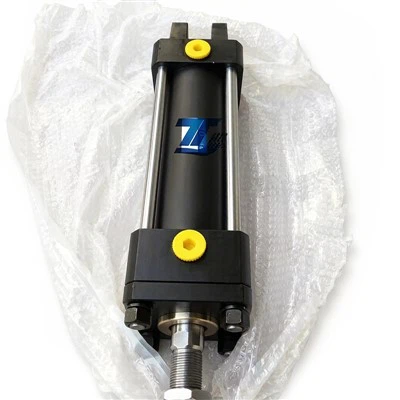
If you have questions specific to your cylinder model, need help troubleshooting a current issue, or are ready to replace or upgrade your telescopic hydraulic cylinder, don’t hesitate to reach out. We’re here to help you keep your jobs moving, no headaches required.
Hydraulic Cylinder References:
- National Fluid Power Association. (2021). Hydraulic Cylinder Maintenance Best Practices. Milwaukee, WI: NFPA.
- American Society of Mechanical Engineers. (2019). Standards for Hydraulic and Pneumatic Systems (B109). New York, NY: ASME.
- Mobile Equipment Hydraulic Maintenance Guide. (2022). Off-Highway Research Association. Des Moines, IA: OHRA.
Wuhu Zhongye Fluid Equipment Co., Ltd.
We are one of the most experienced hydraulic cylinder manufacturers and suppliers in China, specialized in providing high quality customized products. Please feel free to wholesale bulk durable hydraulic cylinder in stock here from our factory. Contact us for quotation.
Address: No. 2, Hexing Road, Sanshan District, Wuhu City, Anhui Province
E-mail: zhongyehydro20@163.com
WebSite: https://www.zhongyehydro.com/
