If you’ve ever stood in front of a perfectly curved stand-up pouch with a slightly crumpled seam or a faint mark on the front, you’ve probably asked yourself the same question I get from customers every week: “Can I iron my shaped pouches?” As a supplier of custom shaped pouches—everything from heart-shaped snack bags for candy brands to curved resealable pouches for pet treats—I’ve fielded this query more times than I can count, and the answer isn’t a simple yes or no. It depends on the pouch material, the shape, and the way you approach ironing. Today, I want to break this down based on years of working with flexible packaging materials, testing ironing techniques in my warehouse, and listening to what our clients (from small-batch artisanal makers to large national brands) actually need. Shaped Pouches
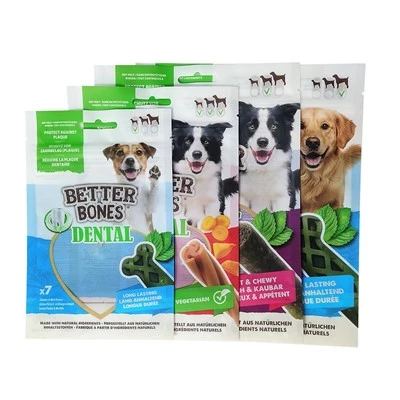
First, let’s get one thing straight: shaped pouches aren’t made of the same fabric as a cotton shirt. Most are constructed from multi-layer flexible films—often a combination of polyethylene (PE), polyester (PET), aluminum foil, or nylon, layered together for strength, barrier properties, and flexibility. That layering is key because it’s what gives shaped pouches their form: when you heat and mold the film into a specific silhouette, those layers bond together to hold their shape. Ironing them is not like ironing a piece of fabric; it’s applying controlled heat and pressure to smooth out surface wrinkles or reset a slightly misshapen curve, but only if you do it right.
I learned this lesson early in my first year as a supplier. A client who made organic chocolate in custom teardrop-shaped pouches sent me a photo of 500 flawed bags with a big wrinkle right along the top resealable edge, where the film had folded during shipping. He said he’d tried ironing them at home and ended up with three bags that melted a hole through the center. That mistake cost him time and money, and it taught me that not all shaped pouches are iron-safe, and when they are, there’s a very specific way to do it.
Let’s start with which shaped pouches can (and can’t) be ironed. The short version: pouches made entirely of low-density polyethylene (LDPE) or linear low-density polyethylene (LLDPE)—the softer, more flexible ones, often used for candy, snacks, or small craft items—can usually be ironed safely, as long as you keep the heat low. But pouches with higher melting point materials, like polyester layers, aluminum foil, or nylon, are a no-go for ironing, especially if they have printed designs or a foil liner. Polyester, for example, melts at around 250°F, so even a medium iron setting can be enough to cause bubbling, warping, or the print to smudge. Foil-lined pouches are even trickier: the aluminum conducts heat fast, so it will burn any adjacent film layers instantly if the iron touches it directly. I always tell clients to check the material specification sheet that comes with their shaped pouches before even reaching for an iron—if it mentions PET, foil, or nylon as a main layer, ironing is not recommended.
Even for LDPE/LLDPE shaped pouches, there are caveats, especially when it comes to complex shapes. I once worked with a client who made cloud-shaped pouches for kids’ granola bars—their pouches had little pointed “corners” that used to crumple during transport, and they thought ironing would fix that. But when they tried, they found that the thin points of the cloud pouch would collapse under the pressure of the iron, turning a cute little point into a flat, ugly edge. Shapes with sharp angles, small protrusions, or thin edges are prone to this kind of deformation, because the heat and pressure can soften the thin film too much, breaking the bond that holds the shape’s structure. For those, steaming (on the lowest setting, held a few inches away) is a better alternative, or even gently molding the pouch back into shape by hand after leaving it in a warm, dry space for an hour.
Now, for the shaped pouches that are iron-safe: let’s walk through the correct technique, based on the tests we do in my warehouse. First, you need the right tools. A standard household iron works, but you should turn off the steam setting completely. Steam has water molecules that can get trapped between the film layers of the pouch, leading to bubbling or weakening the seal. You also want to use a pressing cloth—an old cotton pillowcase or a piece of unbleached cotton fabric, cut to a size slightly larger than your pouch. The pressing cloth is non-negotiable; it acts as a buffer between the hot iron and the pouch, preventing direct heat that can cause melting.
Next, the temperature setting is critical. For LDPE/LLDPE shaped pouches, the ideal iron setting is the lowest “synthetic” or “polyester” setting—usually between 200°F and 220°F. I test this with a scrap piece of the same pouch material first, before touching a finished pouch. I take a scrap, lay it between two pieces of cotton fabric, and press the iron to it for 2-3 seconds. If the scrap doesn’t melt, bubble, or stick to the cotton, that temperature is safe. If it does, turn the iron down and test again—you’d be surprised how much even a 10°F difference changes the outcome.
When ironing the pouch, lay it flat on a hard, heat-resistant surface (a wooden cutting board or a metal baking sheet works great—avoid ironing on carpet or fabric, which can absorb heat or even catch fire). Place the pressing cloth over the area you want to smooth, then press the iron lightly onto the cloth for 2-3 seconds at a time. Don’t slide the iron back and forth like you would with a shirt—sliding can pull the pouch out of shape or create uneven pressure that causes warping. Instead, use a tapping or pressing motion, holding the iron in place for a short burst, then lifting it up and moving to the next section. For shaped pouches with curved edges, like a heart or a teardrop, work in small sections, pressing only the flat parts first before moving to the curves. Never press directly on seams, especially heat-sealed seams—too much heat on a seam can weaken it, leading to leaks or the pouch popping open.
I’ve also found that timing matters. If you’re working with a large batch of shaped pouches, don’t iron all of them at once. Iron 5-10 at a time, then let them cool completely on the hard surface before moving them. Hot film is malleable, so if you pick up a freshly ironed pouch, you can easily bend it out of shape before it sets. For pouches that have very deep creases that won’t come out with light ironing, you can try adding a little gentle weight to them after ironing—place a small book on top of the pouch for 10 minutes while it cools—to help it hold the smooth shape.
But let’s be real: most of the time, ironing shaped pouches is a temporary fix, not a permanent solution. If your pouches are arriving to customers crumpled, or you’re prepping a batch for an event and need them to look perfect, ironing works for small fixes, but it’s not something you should rely on for long-term use. For example, if you’re a bakery selling custom cookie-shaped pouches at a farmers’ market, and a few got slightly crushed in your truck, ironing them 10 minutes before setting up your table is fine. But if you’re a brand shipping 10,000 shaped pouches to retailers, ironing every single one isn’t practical, and it’s better to address the issue during shipping or manufacturing.
Which brings me back to my work as a shaped pouch supplier. The best way to avoid needing to iron shaped pouches in the first place is to work with us to get the right pouch for your needs. We can help you choose materials that resist crumpling—for example, adding a small amount of nylon to an LDPE pouch gives it a little more rigidity without sacrificing flexibility, so it holds its shape better during transit. We also add a slight stiffness to the edges of complex shapes (like clouds or stars) by adjusting the heat-sealing process, which helps prevent those thin points from getting crushed. And if you do have a batch of pouches that arrive slightly misshapen, we can share our full set of testing and ironing guidelines, as well as alternative fixes like gentle steaming or using a heat gun on the lowest setting (held 6 inches away from the pouch, moving constantly) for those that don’t work with an iron.
I always tell my clients that shaped pouches are designed to hold their form, not to be ironed like laundry, but that doesn’t mean you can’t fix small issues when they pop up. The key is knowing your material, taking it slow, and using the right tools and technique. Over the years, I’ve helped hundreds of clients navigate this question—some were small business owners with only a handful of pouches to fix, others were large operations with thousands on hand—and the mistakes I saw early on have led me to create clear, step-by-step guides for every type of shaped pouch we supply.
If you’re a business owner who works with shaped pouches, whether you’re just starting out or you’ve been in the game for years, don’t hesitate to reach out. We don’t just sell shaped pouches—we partner with our clients to solve problems, whether that’s helping you choose the right material, fixing a batch of misshapen bags, or advising on the best way to prepare pouches for events or shipping. No question is too small, and we’re always here to share the knowledge we’ve built from testing, troubleshooting, and working with shaped pouches every single day.
Meat Product Packaging Solutions References
Flexible Packaging Association. (2021). Material Properties of Flexible Films for Retail Packaging. FPA Technical Bulletin.
The Packaging Association. (2022). Best Practices for Shaped Flexible Pouch Handling and Storage. TPA Industry Guide.
Qingdao Senlida Packing Co., Ltd.
Qingdao Senlida Packing Co., Ltd. is one of the most experienced shaped pouches manufacturers and suppliers in China since 1995. With a professional production team, we are able to meet the needs of the majority of our customers. Please feel free to buy high quality packing products at competitive price from our factory.
Address: No.299 Feichao Road, Luwang Town, Huangdao District, Qingdao, Shandong Province, China.
E-mail: liuxh@qdsenlida.com
WebSite: https://www.senlidapacking.com/
