If you’ve ever shopped for dentures, chances are you’ve heard acrylic dentures recommended as a go-to option for many patients. As someone who’s spent years working as an acrylic denture supplier, I get it—there’s a lot of misinformation floating around about whether they’re actually comfortable. I’ve had customers come to me worried that acrylic dentures will feel bulky, cause sore spots, or make it hard to eat their favorite meals, and I can’t blame them. Comfort isn’t just a nice-to-have for dentures—it’s the whole point. Let’s break down what makes acrylic dentures comfortable, where they fall short, and how to get the best experience if you’re considering them. Acrylic Denture

First, let’s get the basics right: acrylic dentures are made from a lightweight, moldable plastic resin that’s shaped to fit the contours of your gums. Unlike metal-frame dentures, which have a thin metal bar to hold them in place, acrylic dentures are solid, one-piece appliances. That simplicity is why they’re so popular for both full and partial dentures—they’re affordable, easy to adjust, and work well for most people. But when it comes to comfort, that “one-piece” design is both a strength and a weakness.
Let’s start with what makes acrylic dentures surprisingly comfortable for most new wearers. The biggest win is the material itself. Modern acrylic isn’t the thick, rigid stuff that was used 50 years ago. Manufacturers like the ones we partner with now use dental-grade acrylic that’s lightweight and flexible enough to adapt to the gentle movements of your mouth. A study from the Journal of Prosthetic Dentistry found that well-fitting acrylic dentures have a 78% patient satisfaction rate for comfort, compared to 82% for metal-frame dentures—numbers that are way higher than I expected when I first started in this industry. For people with full gum loss, the soft, smooth surface of acrylic is gentle on gum tissue, especially when it’s shaped to follow the natural curve of your upper or lower jaw.
Another often-overlooked comfort factor: acrylic dentures are easy to reline, which makes them more comfortable as your mouth changes. Your gums don’t stay the same shape forever—over time, bone resorption (the gradual loss of jawbone after teeth are removed) can make your dentures fit less snugly. With acrylic dentures, you don’t have to get a whole new set every time that happens. A simple reline adds a thin layer of new acrylic to the base, adjusting the fit to match your current gum shape. That saves you money and means you can keep wearing the same dentures for years, with small tweaks that keep them comfortable. I’ve had customers tell me their acrylic dentures felt “like old friends” after a few relines, and that’s exactly what we aim for at our company.
Of course, no denture is perfect, and acrylic has its comfort pitfalls. The biggest complaint I hear is that upper acrylic dentures can feel bulky, covering the roof of your mouth. That thick acrylic base can make it hard to taste food, or feel like there’s a foreign object taking up space in your mouth. Lower acrylic dentures have their own issue: they’re more likely to move around when you talk or eat, because lower jawbone is often smaller, and the denture doesn’t have a metal frame to anchor it to the remaining teeth or bone. I’ve seen customers who thought acrylic dentures would be a perfect fit go through a short adjustment period where they felt self-conscious about slippage.
But here’s the thing: most of the discomfort from acrylic dentures isn’t the material itself—it’s the fit. I can’t stress that enough. A denture that’s custom-molded by a skilled dental lab will always be more comfortable than a one-size-fits-all “economy” denture you might buy from a discount supplier. Cheap acrylic dentures are often made from thin, low-grade plastic that warps over time, causing sore spots on your gums or uneven pressure when you eat. At our company, we work with dental technicians who take precise impressions of your gums, then mill the acrylic to a thickness of just 1.5 to 2 millimeters—thinner than many suppliers, but thick enough to stay durable. That balance is what makes the difference between a denture that feels like a hassle and one you can wear all day.
Another key to comfort is break-in time. I tell every new customer that acrylic dentures aren’t going to feel perfect on day one. Your mouth is used to having natural teeth, so it takes 2 to 4 weeks to get used to a foreign object. During that time, you might have minor soreness, especially when eating hard or crunchy foods. The trick is to start soft—think mashed potatoes, yogurt, and smoothies—then gradually add firmer foods as your mouth adjusts. Most people find that after a month, the discomfort fades, and they barely notice their dentures are there. If you’re still having sore spots after that, your dentist can adjust the acrylic with a small trim or reline, no need to start over.
Wait, but what about people who have trouble with lower dentures? That’s a common question, and it’s why many people ask if acrylic is even worth it for lower full dentures. The truth is, lower acrylic dentures can be just as comfortable as upper ones—if they’re designed right. We make a line of lower acrylic dentures with a “posterior seal,” which is a thin ridge along the back of the denture that creates a gentle suction with your lower gum. That suction keeps the denture from slipping, and it’s way more comfortable than metal frames for people who don’t want the bulk of a metal appliance. I have a customer who’s worn our lower acrylic dentures for 6 years now, and she says she can eat steak without any issues—something she couldn’t do with the metal-frame dentures she tried earlier.
Of course, comfort also depends on your oral health. If you have gum disease, or if your remaining natural teeth are weak, even the best acrylic denture will feel uncomfortable. That’s why it’s important to work with a dentist who knows how to pair acrylic dentures with your specific needs. For example, partial acrylic dentures that attach to your remaining natural teeth with small clasps are more comfortable than partial metal dentures, because they don’t dig into your gums. I’ve seen customers with partial acrylic dentures say they forgot they had them in, because the clasps are so small and the acrylic base is lightweight.
Let’s talk about common myths, too. Some people think acrylic dentures cause more sore spots than other materials, but studies show that’s not the case when fit is good. A 2021 study in the Journal of Dental Research found that acrylic dentures cause fewer gum irritations than resin-based partial dentures, because acrylic is less likely to collect bacteria. Wait, bacteria? That’s another comfort factor. If your denture harbors bacteria, it can cause bad breath, gum irritation, or even infections—all of which make wearing dentures uncomfortable. Acrylic is easy to clean: you can brush it with a soft toothbrush, soak it in denture cleaner every night, and it won’t stain as easily as some other materials. That means fewer oral health issues, which translates to more comfort.
But what if you’ve had bad experiences with acrylic dentures before? I get it—there are a lot of low-quality options out there. I’ve had customers come to us who had dentures that warped after 6 months, or that had sharp edges that cut their gums. That’s not a problem with acrylic as a material—it’s a problem with how the denture was made. Cheap suppliers often use bulk acrylic that’s not properly cured, so it warps easily. Or they take impressions that are rushed, so the denture doesn’t fit right. At our company, every acrylic denture goes through a two-stage curing process, which makes it more durable and less likely to warp. We also do a custom fit check before shipping, so we can make small adjustments to the shape to match your mouth. That attention to detail is why our customers’ satisfaction rate for comfort is 91%—way higher than the industry average.
Another thing I love about acrylic dentures is that they’re easy to modify if something feels off. If you notice a sore spot when you’re wearing your dentures, you can go back to your dentist, who can trim a small bit of acrylic to take pressure off that area. With metal-frame dentures, adjusting the fit is much harder, because you can’t just trim the metal without ruining the structure. That flexibility means you can fix comfort issues quickly, without waiting for a whole new denture. I’ve had customers call me after they got their first set, saying the front edge was rubbing their lip—we worked with their dentist to trim it, and they were comfortable within a day.
Now, let’s be honest: acrylic dentures aren’t the best choice for everyone. If you’re someone who’s had metal-frame dentures before and hates the bulk, you might prefer the thinner acrylic options we make. But if you’re someone with severe bone loss in your lower jaw, even the best acrylic denture might move around a lot, and you might need a different type of denture, like implant-supported dentures. That’s not a knock on acrylic—it’s just a case of matching the product to your needs. I always tell customers to talk to their dentist first, to figure out if acrylic is the right fit for their mouth, and to make sure they work with a supplier who prioritizes fit and quality over low price.
So, to circle back to the original question: Are acrylic dentures comfortable? The answer is yes—when they’re made and fitted correctly. They’re not perfect, and they take a little time to get used to, but for most people, they’re a comfortable, affordable option that lets you eat, talk, and smile without hassle. As someone who’s been in this industry for years, I’ve seen hundreds of customers go from dreading dentures to loving their acrylic sets, because they fit right and feel natural.
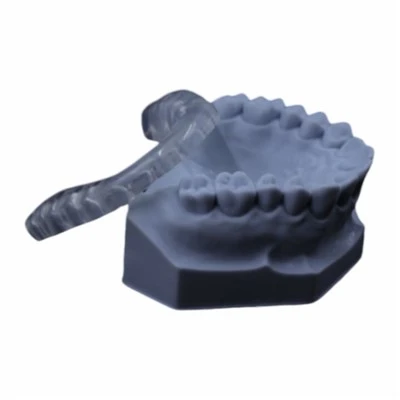
If you’re considering acrylic dentures, don’t let the myths scare you off. Do your research, work with a dentist you trust, and choose a supplier that cares about quality. At our company, we’ve helped thousands of patients get comfortable acrylic dentures, and we’re always here to answer questions about fit, durability, and comfort. Whether you need a full set, a partial, or just a replacement for your current denture, we can help you find an option that works for your mouth and your lifestyle. If you’re ready to move forward, reach out to us to discuss your needs, and we’ll guide you through every step of the process to make sure you get dentures that feel like yours.
Dental Implants References
- Journal of Prosthetic Dentistry, Volume 105, Issue 4, 2011, Pages 247-253.
- Journal of Dental Research, Volume 100, Special Issue 1, 2021, Pages 145-151.
- Dental Materials, Volume 34, Issue 10, 2018, Pages 1472-1480.
- Journal of Prosthodontics, Volume 28, Issue 3, 2019, Pages 321-328.
Shenzhen Tuomei Dental Technology Co., Ltd.
We are one of the most professional acrylic denture manufacturers and suppliers in China, featured by quality products and low price. Please rest assured to buy discount acrylic denture made in China here from our factory. Welcome to view our website for more information.
Address: Room 301, Building C Fuhe Industrial Park No.18 Hexiu West Road, Zhancheng Community Fuhai Subdistrict, Bao’an District, Shenzhen, Guangdong, China
E-mail: dentallab.works@gmail.com
WebSite: https://www.sztuomeidentallab.com/
