If you’ve ever worked in industries like oil and gas, petrochemicals, water treatment, or even mining, chances are you’ve encountered a plug valve. I’ve been supplying these valves for over 12 years, and one question I get asked more than any other is, “What makes a lubricated plug valve different from the basic ones, and how does it actually work?” Most people assume valves are just on or off switches, but anyone who’s dealt with a leaky, stuck valve on a critical job knows there’s a lot more to them. Today, I want to break down how lubricated plug valves work, why they’re such a workhorse for so many industries, and what sets our supply apart from the rest. Plug Valve
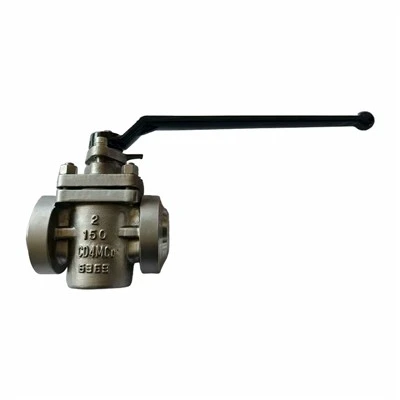
First, let’s start with the core design of a lubricated plug valve. At its most basic, a plug valve is a quarter-turn valve, which means it opens or closes in just 90 degrees of rotation—way faster than a gate valve that takes multiple turns. The key component here is the plug: a tapered or cylindrical piece with a straight hole running through its center. That hole is what lets fluid flow through when the valve is open, and blocks it when the plug is rotated so the hole aligns perpendicular to the pipe. The “lubricated” part is what makes this type special. Unlike non-lubricated plug valves, which rely on metal-on-metal contact between the plug and the valve body, lubricated models use a food-grade or industry-specific lubricant between those two surfaces to seal gaps, reduce friction, and prevent wear.
Let’s walk through the step-by-step operation to make this concrete. When the valve is in the closed position, the plug is fully rotated so its straight hole is at a 90-degree angle to the pipe’s flow path. The plug is held tightly against the inner walls of the valve body by a small amount of hydraulic or mechanical force, which compresses the lubricant between the two surfaces. That lubricant isn’t just a generic grease—it’s a precision-matched fluid designed for the specific operating conditions: high temperatures for refineries, corrosive fluids for chemical plants, or potable water standards for municipal systems. I’ve seen too many projects where a contractor used a cheap, off-the-shelf lubricant and ended up with leaks or valve failure within months, which is why we only supply valves with lubricants tested for compatibility with the fluid they’ll be handling.
To open the valve, you turn the actuator (whether it’s a handwheel, gear operator, or electric motor) 90 degrees. As the plug starts to rotate, it moves slightly away from the valve body’s walls, creating a small gap that allows the lubricant to distribute evenly across the mating surfaces. This is where lubrication pays off big time. Without it, the metal plug would scrape against the metal body every time you turn it, leading to galling, scratching, and tiny gaps that let fluid leak past. Even worse, that friction can make the plug seize up over time—something no one wants when you’re relying on a valve to shut off a line during an emergency. The lubricant acts as a buffer, so rotation is smooth, even after years of sitting idle in wet or corrosive environments.
Once the plug is fully open, its straight hole lines up perfectly with the pipe’s flow path, creating an unobstructed channel for fluid. The tapered design of the plug is important here too: it’s slightly wider at the top than at the bottom, so when you push it up slightly (most lubricated plug valves have a simple stem that lets you adjust the plug’s position), it presses firmly against the valve body to maintain a tight seal. That self-adjusting feature is a huge advantage over non-lubricated valves, which can wear unevenly and lose their seal over time. Another benefit of the lubrication is that it flushes small particles or debris out of the mating surfaces as the plug rotates, preventing those particles from getting stuck and causing leaks. I’ve had customers tell me they’ve used our lubricated plug valves for over a decade with almost no maintenance, compared to replacing non-lubricated valves every two or three years.
Now, you might be wondering why we don’t just use this type of valve everywhere. The truth is, lubricated plug valves are ideal for specific applications where tight sealing, smooth operation, and resistance to wear are non-negotiable. They’re not the best choice for throttling flow (though some designs can handle mild throttling), because the quarter-turn rotation can cause uneven flow. But for on/off service, especially where you need bubble-tight shutoff—think of isolating a pipeline section for maintenance, or shutting off a dangerous chemical leak in a refinery—they’re unmatched. We supply lubricated plug valves for everything from crude oil pipelines to municipal water treatment plants, and even for pharmaceutical facilities that need valves compatible with clean, sanitary operating conditions.
A big part of what I focus on as a supplier is making sure customers get the right lubricated plug valve for their specific needs. I see too many companies buy a one-size-fits-all valve and run into problems. For example, a valve for a high-temperature steam line needs a lubricant that can handle temperatures up to 500°F, while a valve for a seawater application needs a lubricant that’s resistant to saltwater corrosion. We work with each customer to match the valve body material (cast iron, steel, stainless steel, or even exotic alloys for harsh chemicals), plug design, and lubricant to their operating conditions. Last year, we helped a small chemical plant that was dealing with frequent valve leaks on a line transporting corrosive hydrochloric acid. They’d been using non-lubricated valves that would wear out in six months, but when we supplied them with lubricated valves with a PTFE-based lubricant formulated for acidic fluids, those valves are still working perfectly two years later.
Another common question is about maintenance. Unlike some valves that require daily or weekly checks, lubricated plug valves are relatively low-maintenance, but they do need occasional lubricant top-ups. Most valves have a lubrication fitting (a small port on the top of the valve) that lets you inject more lubricant every few years, depending on use. That simple step goes a long way in extending the valve’s life and keeping it sealed tight. I always advise customers to follow the maintenance schedule specific to their operating conditions—valves used in high-cycle applications (like opening and closing multiple times a day) will need lubricant top-ups more often than those used infrequently.
Let’s talk about some common misconceptions about lubricated plug valves. One I hear all the time is that they’re too expensive compared to gate or ball valves. It’s true that the upfront cost is a bit higher, but when you factor in the reduced maintenance, longer service life, and fewer unplanned shutdowns, they end up being more cost-effective in the long run. A refinery that experiences even a few hours of unplanned downtime can lose hundreds of thousands of dollars, so investing in a reliable valve that will work when you need it is well worth the cost. Another misconception is that the lubricant can contaminate the fluid. That’s a valid concern, especially for food, pharmaceutical, or water applications, but modern lubricants are formulated to be non-toxic and compatible with the fluid they’re handling. We offer sanitary-lubricated plug valves that meet FDA standards for food contact, so even the most sensitive industries can use them without worrying about contamination.
Over the years, I’ve seen how much of an impact a good valve can make on a project. I still remember a customer in the mining industry who was working on a remote site in the desert, where temperatures swing from freezing at night to over 100°F during the day. They were using non-lubricated valves that would seize up in the heat, leaving their operations at a standstill. When we supplied them with lubricated plug valves rated for extreme temperatures, they told me later that those valves worked flawlessly through even the harshest heat cycles, cutting their valve-related downtime by 90%. That’s the kind of result that makes all the hard work of matching the right valve to the right application worth it.
If you’re working on a project where reliable on/off control, tight sealing, and long service life are important, lubricated plug valves are almost always the right choice. The science behind them is simple: use a precision-machined plug, a lubricant matched to your conditions, and a quarter-turn design for fast, smooth operation. But the real value is in the details: the quality of the lubricant, the accuracy of the plug machining, and the support you get when you need help selecting the right valve.
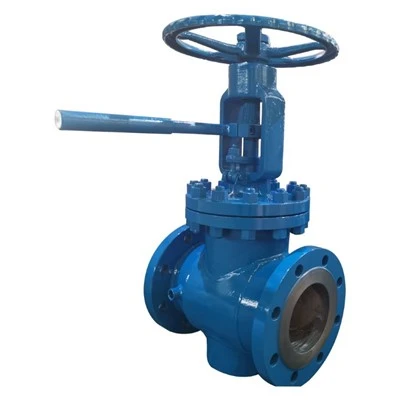
I’ve been supplying plug valves for over a decade, and I’ve built my business on helping customers find valves that work for their specific needs, not just the cheapest option. If you’re tired of valve leaks, frequent replacements, or unplanned downtime, I’d be happy to talk through your requirements and help you find the right lubricated plug valve for your application. Whether you’re in oil and gas, water treatment, chemicals, pharmaceuticals, or any other industry that relies on reliable valves, don’t hesitate to reach out to start a conversation about your project needs.
Pressure Balanced DBB Plug Valves References
- Valve Engineering Handbook, 6th Edition
- API Standard 6D, Pipeline Valves
- Water and Wastewater Valves: Selection, Application, and Maintenance
- NACE Standard MR0175, Sulfide Stress Cracking Resistant Metallic Materials for Oil Field Equipment
Zhejiang Demelong Fluid Technology Co., Ltd.
As one of the most reliable plug valve manufacturers and suppliers in China, we’re featured by quality products and good service. Please rest assured to buy bulk durable plug valve from our factory. If you have any enquiry about customized service, please feel free to email us.
Address: No.7936, Sunshine Avenue, Oubei Street, Yongjia County, Wenzhou City
E-mail: dml@zjnsvalve.com
WebSite: https://www.cn-dmlv.com/
