Hey there, if you’ve ever been involved in buying spring steel wire – whether you’re a mechanic building heavy-duty suspension springs, a manufacturer cranking out everyday appliance springs, or even someone just curious about why springs don’t snap mid-use – I’m guessing you’ve heard the phrase “alloying elements” tossed around a lot. As the guy who’s been in the spring steel wire game for over a decade (I’m actually the one you’ll talk to if you reach out for a quote later), I get that it can sound like just another fancy industry term. But trust me, these tiny elements mixed into the base steel are the whole reason a spring works the way it’s supposed to – and skip them, or get the mix wrong, and you’re looking at springs that crack, sag way too fast, or flat-out fail when you need them most. Let’s break this down like we’re hanging out in my warehouse break room, not some stuffy tech manual. Spring Steel Wire
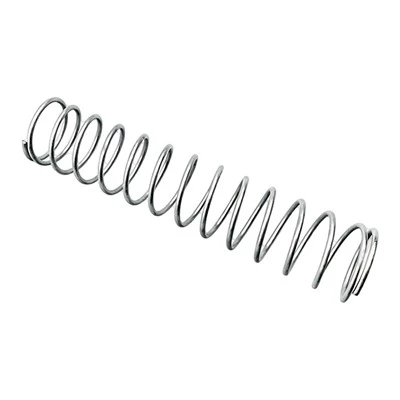
First, let’s start with the basics: plain carbon steel is great for some things, but it’s actually pretty limited when it comes to springs. If you use straight carbon steel wire for, say, a truck’s leaf spring, it’ll take a few heavy loads and then… snap. Why? Because carbon steel alone is soft for its strength, it rusts like crazy, and it can’t handle repeated bending without wearing out. Alloying elements are the secret sauce we add to tweak those weaknesses – each one does a specific job, and it’s all about balancing them to fit exactly what the customer needs. I’ve had customers come to me saying “I need wire for a lawn mower spring that doesn’t rust even when it’s in the grass all summer” and others needing wire for a construction crane’s heavy-duty springs that don’t sag after a million compressions – and the alloy mix is the first thing I adjust for each of those.
Let’s start with the big one: manganese. You’ll hear me say “Mn” a lot around the shop – it’s the workhorse of spring steel wire, and it’s in almost every product we make. Manganese does two main things: first, it removes sulfur from the steel, which is huge because sulfur is the enemy – it makes steel brittle, like a piece of chalk. If you don’t have enough manganese, the wire will crack while we’re drawing it through those tiny dies to get the right diameter, which means wasted material and delayed orders – not fun for anyone. Second, manganese boosts the hardenability of the steel. Wait, hardenability just means how well the steel can get hard and strong when we heat and cool it (quenching, in industry terms) – without enough manganese, the outer layer of the wire hardens but the inside stays soft, so the spring will bend too much in the middle and fail early. I remember a few years back, we had a customer who was sourcing cheaper wire from abroad that had way too little manganese – their suspension springs were snapping after just a few months on delivery trucks, and they switched all their orders to us once we explained that tiny mix change makes all the difference.
Next up, silicon. Si, as we call it, is like the durability enhancer. Silicon is amazing at making springs resistant to what we call “fatigue failure” – that’s when a spring gets compressed and stretched thousands or even millions of times, and eventually cracks from repeated stress. Ever had a mattress spring that started squeaking and breaking after a few years? That’s fatigue failure, and more often than not, the wire used had too little silicon. Silicon also works with manganese to boost that hardenability I mentioned earlier, and it helps the steel hold its strength at higher temperatures. We actually adjust silicon levels depending on what the spring is going to be used in: for kitchen appliance springs that get warm from ovens, we add a bit more silicon, and for outdoor gate springs that get hit by rain and sun, silicon helps slow down rust too – though that’s where another element comes in.
Now, chromium. Cr is the rust fighter, basically. If you need a spring that’s going to be outside, near salt (like on a boat dock) or in humid areas, chromium is non-negotiable. It forms a thin, invisible oxide layer on the surface of the steel that stops oxygen and water from getting in and causing rust. But chromium isn’t just for corrosion resistance – it also adds strength and boosts hardenability, so it works great for heavy-duty springs too. I’ve worked with construction companies that need springs for heavy equipment working at coastal sites, and we bump up the chromium content just enough to get that rust protection without making the wire too brittle. Too much chromium, though, and the wire gets hard to bend without cracking when we shape it into springs, so it’s all about finding that sweet spot.
Then there’s vanadium. V, the performance upgrade. Vanadium is the “special sauce” for springs that need to take really heavy loads over super long periods. It forms tiny, hard particles in the steel that stop grain growth when we heat the metal – that means the steel stays strong even when we process it, and it’s way more resistant to fatigue and wear. We add vanadium to our heavy-duty spring wire for things like truck suspension and crane springs, because those get millions of cycles and can’t afford to fail. A customer a couple years back was running a fleet of delivery trucks and was replacing their springs every year – they switched to our vanadium-alloyed wire and now only replace them every 5 years, saving them a ton of money in the long run. The only downside? Vanadium is a bit more expensive, so we only use it when the customer’s application actually needs it – we don’t mark up the price for something they don’t need.
Wait, let’s not forget about the ones we use sparingly, too. Nickel is another one that boosts strength and corrosion resistance, but it’s more for special applications, like medical springs that need to be rust-resistant and non-toxic (though we check those levels super carefully there, of course). And then there’s carbon, the base element – we tweak carbon levels too, lower carbon for wire that needs to be flexible, higher carbon for stronger, stiffer springs.
Now, here’s the thing that most new customers don’t realize: it’s not just about adding more of these elements. It’s about the balance. If you add too much manganese, the wire gets brittle and hard to shape. Too much silicon, and it’s prone to cracking when we draw it thin. Too much chromium, and same thing – brittle. As someone who’s been mixing these alloys for years, I can tell you it’s like baking a cake: too much flour and it’s dry, too much sugar and it’s cloying, you need the right amount of each ingredient to get something that works. I’ve had batches where we messed up the balance once (okay, twice, early on) – the wire came out either too soft or too brittle, and we had to scrap it, which is why I always test every batch before it leaves our warehouse. That’s just how we do things, no cutting corners.
Let’s talk real-world examples to make this concrete. Last month, I had a customer who makes garage door torsion springs. They were using a generic spring wire and having issues with springs snapping when the door was in the open position – that’s constant tension, right? I tested their application and adjusted the alloy mix: bumped up silicon for better fatigue resistance, added a touch of manganese to boost strength, and kept carbon levels just right. Now their springs are lasting 3x longer, and they send us a shoutout every time they place an order. Another recent customer: a farm equipment dealer needing springs for their tractor’s hydraulic system, which sits out in the sun and mud all year. We added a bit more chromium and silicon, and now those springs don’t rust, even after a season of being caked in mud.
You might be wondering, why does this matter if I’m not a metallurgist? Well, if you’re buying spring steel wire, it matters because getting the right alloy mix means your springs will last longer, work better, and save you money in replacements and downtime. I’ve seen customers go for the cheapest wire they can find, only to end up paying more because they have to replace springs every few months instead of every few years. The alloy mix is where that difference starts – and as your supplier, I’m not going to sell you something you don’t need. If your application only needs a basic alloy mix, I’ll tell you that, and give you a fair price. If you need something specialized for heavy loads or harsh environments, I’ll outline exactly what elements we add and why it will work for you.
Look, I get that buying industrial supplies can be overwhelming, especially when you’re dealing with terms like hardenability and fatigue resistance. That’s why I make it a point to sit down with every customer (or hop on a quick call, if you’re not local) to walk through what you need the spring to do, what conditions it’s going to be in, and then pick the right alloy mix for the job. No jargon, no upselling, just straight talk – that’s how we’ve run our business for years, and it’s why we have regulars who’ve been with us since day one.
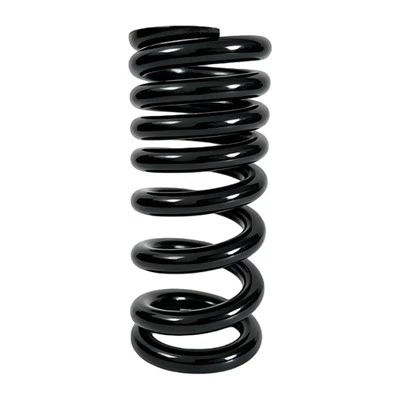
If you’re in the market for spring steel wire, or you’re having issues with springs failing prematurely, don’t hesitate to reach out. Whether you need a quote for a standard order or want to talk through a custom solution for your specific application, I’m here to help. We work with all kinds of customers – from small local manufacturers to big industrial companies – and every order gets the same attention to detail when it comes to getting that alloy mix just right. At the end of the day, springs are the unsung heroes of so many products, and the wire they’re made from is the foundation of how well they work. Let’s make sure yours are built to last.
Spring Steel Wire References
- Budinski, K. G., & Budinski, M. K. (2019). Engineering Materials: Properties and Selection (11th ed.). Pearson.
- Callister, W. D., & Rethwisch, D. G. (2021). Materials Science and Engineering: An Introduction (10th ed.). Wiley.
- ASM International. (2007). Alloying Elements in Steel. ASM Handbook, Volume 1: Properties and Selection: Irons, Steels, and High-Performance Alloys.
Baoding Zhongxin Spring Manufacturing Co., Ltd.
We’re known as one of the most reliable spring steel wire manufacturers and suppliers in China. With abundant experience, we warmly welcome you to buy durable spring steel wire made in China here and get pricelist from our factory. All customized springs are with high quality and competitive price.
Address: West Side, 200 Meters North of Chenzhuang Gas Station, Pangkou Town, Gaoyang County, Baoding City, Hebei Province, P.R. China
E-mail: 13292951555@163.com
WebSite: https://www.zhongxinind.com/
