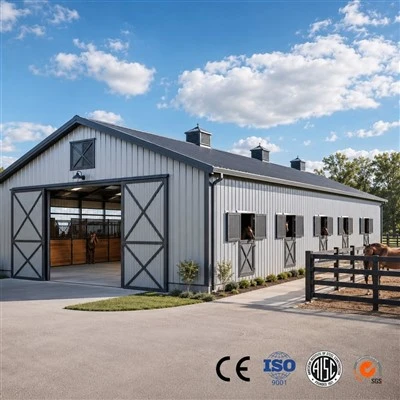
Securing a steel warehouse is of paramount importance for not only safeguarding valuable inventory but also ensuring the smooth operation of any business that relies on it. As a supplier of steel warehouses, I have witnessed firsthand the various challenges and solutions related to warehouse security. In this blog, I will share some comprehensive strategies and best practices on how to secure a steel warehouse effectively. Steel Warehouse
Physical Security Measures
Perimeter Fencing and Gates
One of the first lines of defense for a steel warehouse is a sturdy perimeter fence. A high – quality fence made of materials like steel or wrought iron can act as a significant deterrent to unauthorized access. The fence should be installed at a sufficient height, typically at least 6 feet, to prevent easy climbing. Additionally, access gates should be equipped with secure locking mechanisms, such as electronic keypads or card readers. These gates can be programmed to restrict access to authorized personnel only during specific hours. Regular inspections of the fencing and gates are necessary to ensure that there are no signs of damage or tampering.
Warehouse Structure Integrity
The steel warehouse itself should be built with security in mind. The steel panels used in the construction should be of high – quality and thickness to resist forced entry. All doors and windows should be reinforced with heavy – duty locks and bars. For example, roll – up doors, which are common in steel warehouses, should have locking mechanisms at multiple points along the door track. Windows, if any, should be made of shatter – resistant glass and have internal or external bars to prevent break – ins.
Lighting
Proper lighting is a crucial aspect of physical security. Adequate illumination around the perimeter of the warehouse and inside the facility can deter criminals. Motion – activated lights can be installed in dark corners and along the fence line. Inside the warehouse, high – intensity lighting fixtures should be evenly distributed to eliminate blind spots. This not only helps in preventing theft but also enhances the safety of employees during night – time operations.
Access Control Systems
Employee Identification
Implementing a strict employee identification system is essential. Each employee should be issued with a unique access card or key fob that can be used to enter the warehouse. These access cards can be programmed to limit access to specific areas of the warehouse based on the employee’s job requirements. For example, administrative staff may have access to the office area only, while warehouse workers have access to the storage areas. Regularly review and update the access privileges of employees when they change positions or leave the company.
Visitor Management
Visitors to the steel warehouse should be carefully screened and managed. A visitor log should be maintained at the entrance, where visitors are required to provide their name, company, purpose of visit, and contact information. Visitors should be accompanied by an authorized employee at all times while inside the warehouse. Additionally, visitors can be issued with temporary access cards that are only valid for the duration of their visit.
Biometric Access
In more advanced security setups, biometric access systems can be used. These systems use fingerprint, iris, or facial recognition technology to grant access to the warehouse. Biometric access is highly secure as it is difficult to forge. However, it also requires a significant investment in the technology and proper maintenance to ensure accurate readings.
Surveillance Systems
CCTV Cameras
Closed – Circuit Television (CCTV) cameras are a staple in warehouse security. They should be strategically placed around the perimeter of the warehouse, at entrances and exits, and inside the storage areas. High – definition cameras with night – vision capabilities are preferred to capture clear images in all lighting conditions. The CCTV system should be capable of recording continuously or triggered by motion sensors. The recorded footage can be used for post – incident analysis and as evidence in case of a security breach.
Remote Monitoring
Many modern CCTV systems offer remote monitoring capabilities. This allows warehouse managers or security personnel to access the live feeds from the cameras using a smartphone, tablet, or computer. Remote monitoring enables real – time detection of any suspicious activities, even when the manager is off – site. Alerts can also be set up to notify the relevant parties in case of unusual movement or unauthorized access.
Security Personnel
Guard Patrols
Having security guards on patrol is an effective way to enhance security. Guards can conduct regular patrols inside and outside the warehouse, checking for any signs of unauthorized entry, damage, or suspicious behavior. They should be trained in conflict resolution and emergency response procedures. In addition to foot patrols, vehicle patrols can also be carried out around the perimeter of the large – scale steel warehouses.
Central Monitoring Station
A central monitoring station can be set up to oversee the security operations of the steel warehouse. This station can be staffed 24/7 and equipped with the necessary technology to monitor CCTV cameras, access control systems, and alarm systems. In case of an emergency, the security personnel at the central monitoring station can quickly dispatch help and coordinate with the local authorities.
Inventory Management and Auditing
Inventory Tracking Systems
Implementing an inventory tracking system is crucial for warehouse security. This system can help keep track of the movement of steel products in and out of the warehouse. Barcode scanners or radio – frequency identification (RFID) tags can be used to record the details of each item, including its location within the warehouse. By regularly reconciling the physical inventory with the records in the tracking system, any discrepancies can be quickly identified, which may indicate theft or misplacement.
Regular Audits
Conducting regular audits of the inventory is essential to ensure its accuracy and security. Audits can be performed monthly, quarterly, or annually, depending on the size and complexity of the warehouse operations. During an audit, a detailed physical count of the steel products is carried out, and the results are compared with the inventory records. Any missing items should be investigated immediately to determine the cause.
Fire and Safety Measures
Fire Suppression Systems
Steel warehouses are at risk of fire, especially when storing flammable substances or using electrical equipment. Installing a reliable fire suppression system is crucial. This can include sprinkler systems, fire extinguishers, and smoke detectors. Sprinkler systems should be designed to cover all areas of the warehouse, and the water supply should be充足 and reliable. Fire extinguishers should be placed in easily accessible locations throughout the warehouse, and employees should be trained on how to use them.
Safety Training
Employees working in the steel warehouse should receive regular safety training. This includes training on fire safety, proper handling of equipment, and emergency evacuation procedures. Regular drills should be conducted to ensure that employees are familiar with the evacuation routes and know what to do in case of an emergency.
Cybersecurity
Protecting Warehouse Management Systems
In today’s digital age, steel warehouses also need to be concerned about cybersecurity. Warehouse management systems (WMS) that control inventory, access, and other operations are vulnerable to cyber – attacks. To protect these systems, strong passwords should be used, and they should be changed regularly. Firewalls and antivirus software should be installed on all computers and servers used in the warehouse. Regular software updates should also be carried out to patch any security vulnerabilities.
Data Backup
Regular data backup is essential to prevent data loss in case of a cyber – attack or system failure. The backup data should be stored in a secure off – site location. This ensures that in the event of a disaster, the warehouse can quickly resume operations using the backed – up data.
In conclusion, securing a steel warehouse requires a comprehensive approach that combines physical security measures, access control systems, surveillance, security personnel, inventory management, fire and safety measures, and cybersecurity. By implementing these strategies, steel warehouse owners can significantly reduce the risk of theft, damage, and other security incidents.
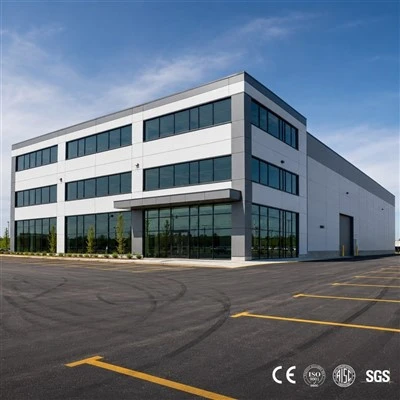
If you are in the market for a steel warehouse and are interested in how we can provide not only high – quality warehouse structures but also valuable advice on security solutions, we would be more than happy to discuss your needs. Please reach out to us to start a conversation about your procurement requirements and how we can work together to create a secure and efficient storage environment for your steel products.
Steel Warehouse References
- "Security Management Handbook" by Jack L. Hayes International
- "Warehouse Operations Management" textbooks from industry – recognized publishers
- Industry reports on steel warehouse security trends and best practices
Liaoning Zhongbei Steel Structure Engineering Co., Ltd.
Liaoning Zhongbei Steel Structure Engineering Co., Ltd. is one of the most professional steel warehouse manufacturers and suppliers in China, also supports customized service. We warmly welcome you to buy advanced steel warehouse made in China here from our factory. Also, quotation is available.
Address: No. 239 – 1, Shenbei West Road, Yuhong District, Shenyang, Liaoning.
E-mail: Info@cnssgroup.cn
WebSite: https://www.cnssprefabbuildings.com/
